
Forgotten Crosses of Persia
Recovering Christian Memory, Identity, and Belonging in Iran and the Persianate World
Forgotten Crosses of Persia is a research, storytelling, and educational initiative dedicated to recovering the rich and often neglected history of Christianity in Persian lands—and exploring what this heritage means for faith, identity, and belonging today.
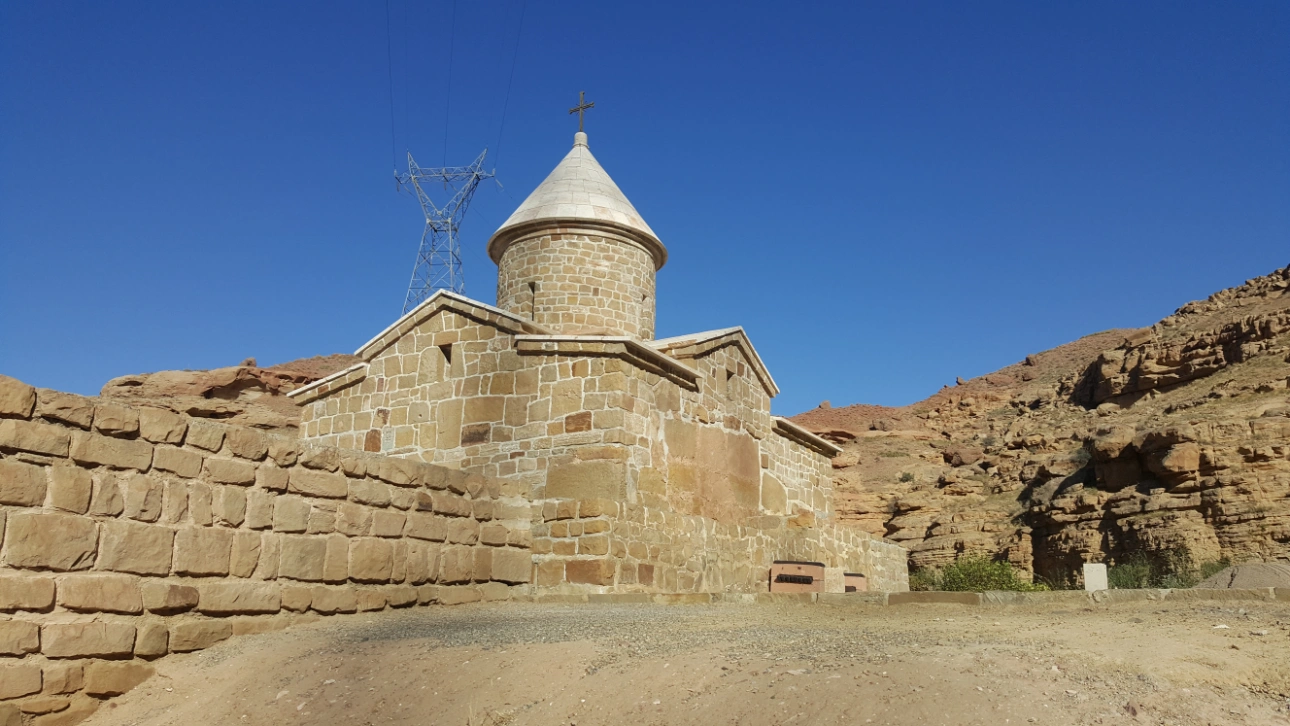
A Forgotten History. A Living Inheritance.
Christianity has been present in lands connected to Persia for many centuries. Christian communities, churches, monasteries, manuscripts, theologians, translators, artists, merchants, and ordinary believers have contributed to the religious and cultural history of the region. Yet much of this heritage remains scattered, inaccessible, or unfamiliar to Persian-speaking communities.
Forgotten Crosses of Persia brings this history into view through careful research, curated resources, visual documentation, and accessible storytelling. It seeks to transform neglected history into living memory—memory that strengthens dignity, deepens belonging, and demonstrates that Christian faith has deep historical roots in Persian lands.
Why This Memory Matters
For many Persian-speaking Christians, especially believers from Muslim backgrounds, following Christ can raise difficult questions about culture, family, heritage, and belonging. Some are made to feel that Christian faith is foreign to Persian identity or requires the rejection of their cultural inheritance.
Recovering Persian Christian memory cannot remove every difficulty, but it can provide a more truthful and dignifying account of the past. It can help believers understand their faith within a deeper historical landscape while equipping churches, scholars, and communities with more responsible resources.
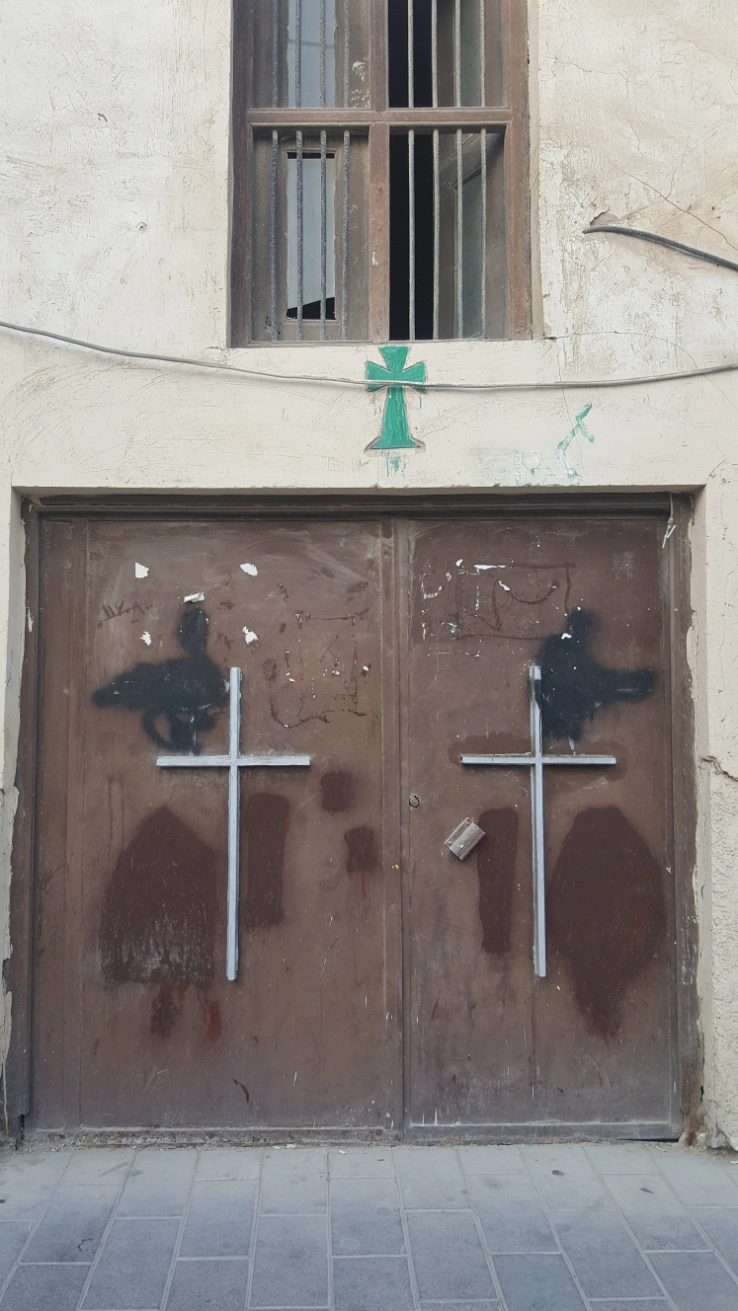
Memory, Identity, and Belonging
Memory
Recovering neglected people, places, sources, communities, and narratives connected to Christianity in Persia and the wider Persianate world.
Identity
Helping Persian-speaking Christians understand that following Christ need not erase their language, culture, history, or Persian heritage.
Belonging
Strengthening dignity, connection, hospitality, and participation among believers, churches, diaspora communities, and scholars.
Explore the Project
Digital Library
Discover selected bibliographies, historical sources, and reliable pathways into Persian Christian history.
Digital Gallery
Encounter manuscripts, photographs, sacred sites, inscriptions, objects, maps, and future exhibitions that make Persian Christian history visible.
Videos & Podcasts
Watch and listen to accessible stories and conversations about Persian Christian history, identity, sacred geography, and belonging.
First Flagship Collection in Development
Medes, Persians, and Pentecost: Recovering an Ancient Historical Continuity
Our first integrated historical media and archive collection will trace a carefully documented sequence beginning with the Assyrian conquest of Samaria and the deportation of Israelites from the Northern Kingdom to places that included the cities of the Medes in 722/721 BCE. It will continue through Jewish presence and scriptural memory in later Median and Persian settings and conclude with Pentecost in the first century CE, when Acts 2:9 names Parthians, Medes, and Elamites among those present in Jerusalem.
The collection will bring together selected Digital Library and Digital Gallery materials, podcasts, videos, source citations, and rights and provenance information. It will be published only after completing the required scholarly, editorial, rights, accessibility, and safety reviews.
Help Recover and Preserve This Heritage
Forgotten Crosses of Persia is being developed through careful research, responsible storytelling, and collaboration. We welcome contact from scholars, churches, archives, families, artists, researchers, and others who may have knowledge, expertise, historical materials, or a desire to support the work.
If you would like to contribute a resource, propose a collaboration, introduce the project to others, pray for its development, or explore financial partnership, we would be glad to hear from you.
Research with Care
We are committed to historical accuracy, transparent sourcing, responsible interpretation, copyright and provenance review, informed consent, and the protection of individuals and communities who may face security risks. Where evidence is uncertain or debated, we seek to identify that uncertainty clearly.